
Child poverty in Wales remains entrenched at high levels, with new figures showing little progress despite years of government commitments.
The latest 2025/2026 progress reports indicate that around 31% of children are living in relative income poverty—a rate that has barely shifted for over a decade. In 9 out of 10 constituencies, more than a quarter of children are growing up in poverty, underlining the scale and persistence of the issue.
Economic pressures continue to weigh heavily on households. While inflation has eased from recent peaks, the aftershocks of rising living costs mean Welsh families still have some of the lowest disposable incomes in the UK.
Against this backdrop, scrutiny is increasing over the Welsh Government’s spending priorities—particularly its international programmes. Under the Well-being of Future Generations (Wales) Act 2015, ministers are required to work towards creating a “globally responsible Wales,” a duty that has translated into funding projects overseas.
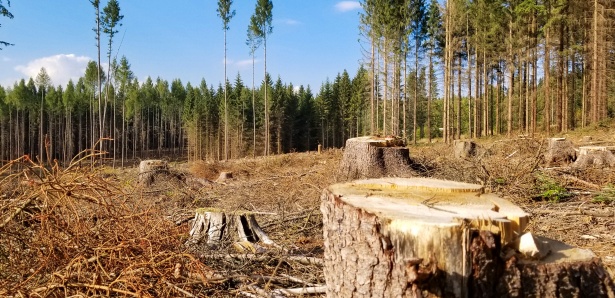
The government’s “Wales and Africa” programme alone accounts for roughly £2.5 million to £3 million annually. Projects have included environmental initiatives such as tree planting in Uganda, a country with significant natural resources, including commercially viable gold deposits and an estimated 6.5 billion barrels of oil reserves currently under development.
Funding has also reached beyond Africa. Through the “Size of Wales” initiative, the Welsh Government supported the Wampís Nation in Peru, including a £50,000 allocation in 2024/25 to purchase boats aimed at protecting rainforest territory from illegal logging and mining.
Critics argue these international commitments sit uneasily alongside cuts closer to home. Some local councils have reduced services such as school transport amid budget constraints, raising questions about how limited public funds are being prioritised.
With child poverty affecting large parts of the country and little sign of improvement, the issue is likely to become a central battleground in the run-up to May’s election—focusing attention on whether current spending strikes the right balance between global responsibility and domestic need.
Related Posts

New child poverty data: Pembrokeshire has the highest child poverty rate in Wales
Council Faces Questions Over Two Fly-Tipping Incidents

Hundreds of patients avoid hospital stays, thanks to @Home Service