
The disastrous news for Welsh tourism is that unlike the 182
day self-catering booking law which is now under review by the
Plaid Government, Elin Jones, Plaids Minister for Finance, has
confirmed that there is to be no change in the law regarding
babies staying in caravans. (confirmation of this statement
enclosed.)
The Minister has confirmed that babies will have to pay any
future proposed tourism tax. (Babies will be charged £1.56 per
night – this figure includes the added VAT element).
As an example of the considerable cost implications for a family
consisting of two adults with two babies, and an older child, this
tax will eventually cost families an extra £54, for a week’s
caravanning holiday in Wales. Is this the right time for even
more taxation when we are already in the middle of a cost of
living crisis?
The absurdity of this decision is further reflected in the
accompanying Senedd legislation that states however that if a
baby stays in a ‘tent,’ there is no tourism tax to pay!
What is the logical reasoning and difference between a baby
sleeping in a tent or caravan?
This proposed tourism tax, drafted by the last Labour
administration, has clearly not been thought through.
For instance – Many caravanners also bring small tents with
them hence, what happens if the mother decides to sleep in the
tent with her babies. Will she still have to pay this tax?
What is a caravan park Warden supposed to do when asking
for payments if the occupants say there are just two adults in
the caravan, but the Warden hears babies crying?
Again, what happens if a caravanning family simply refuses to
pay the tax on their babies as many probably will.
I have failed to get answers to these queries.
This tax if enacted, is bound to bring about a decline in the
number of caravanners coming into Wales for their holiday.
No other EU country charges a tourism tax on babies, and also
EU countries only charge on average 10% VAT for tourism, not
20% as in Britain. Thus, Britain is already one of the most
expensive holiday destinations in Europe.
Welsh caravanning families will not be pleased when they
finally realise that even though they live in Wales, they will also
have to pay this baby tax.
We have had calls from other caravan park owners in Wales
concerned about the implications of having to collect this tax.
After many meetings, we could only find one solution to avoid
confrontations with tourists on this issue, and that was to take
babies and children out of the equation, especially following our
own caravan Wardens saying they would refuse to collect
money from parents arriving with babies in their caravans.
To solve our Wardens concern, we decided to turn one of the
oldest caravan parks in Wales into an ‘adult-only’ site. (We
could not wait for councils to decide if they wanted to
implement this tax, as we were already getting forward
bookings for 2027/8.)
Plaids decision to go ahead with this tax on babies cast doubts
about their recent reassurances that they wanted to work with
Welsh tourism operators in the future.
Ashford Price
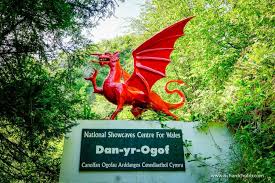
The National Showcaves Centre for Wales
Welsh Government
WRITTEN QUESTION FOR ANSWER BY
CABINET SECRETARY FOR
FINANCE
ON 01 JULY 2026
lain Mcintosh (Brycheiniog Tawe Nedd): Will the Cabinet Minister confirm whether the Visitor Accommodation (Register and Levy) (Wales) Act 2025 requires the visitor levy to be charged for babies and infants staying in visitor accommodation, and what assessment has been made of the possible impact this will have on family tourism in Wales? WQ99286
Elin Jones: In areas that choose to use a levy, there will be no liability incurred for visitor accommodation providers for those individuals under the age of 18 staying overnight in tents at campsites, hostels, or other shared accommodation.
All persons are included in the chargeable rate for all other visitor accommodation types. This approach keeps the levy below the average rates charged across Europe and ensures fairness for those accessing visitor accommodation at a lower price point.
Like other indirect taxes on providers, visitors are not liable to pay the visitor levy, it is the visitor accommodation provider who is liable. Visitor accommodation providers may choose to pass this cost on to visitors but are not compelled to do so. Where providers pass the costs on to visitors, the costs will be incurred by the visitor who is paying for the accommodation.
Related Posts
Apple Pay and Google Pay can be used to pay a DVSA roadside fine from 28 May 2025

Nurse strikes cancelled in Wales following new pay offer“ This only goes to show that the Labour Government had the money all along to give NHS workers a better pay offer.
Theatr Iolo announces its first post-lockdown show created for babies to be performed live in September 2020
