

Why Wheelie Bins Are Safer and More Efficient
1. Reduced Risk of Injury
- Studies show that wheeled bins are the least likely to cause pain or injury to collection crews, while sacks pose a much higher
- Wheelie bins minimize the need for awkward lifting, twisting, and carrying, which are common causes of musculoskeletal injuries among waste workers.
2. Improved Handling and Hygiene
- Wheelie bins are designed for easy manoeuvrability, even when full, reducing physical strain and the risk of dropping or spilling bags.
- They also help contain waste securely, minimising exposure to contaminants and pests, and are easier to clean.
3. Consistency and Efficiency
- Using wheelie bins streamlines the collection process, as they are easier to move over uneven ground and in poor weather conditions.
- They accommodate workers of all strengths and sizes, not just those capable of lifting heavy bags.
What does the law say?
The Management of Health and Safety at Work Regulations2
require you to assess the risks to the health and safety of your workers.
Where this identifies hazardous manual handling of loads, you
should also comply with the Manual Handling Operations Regulations
(the Manual Handling Regulations).3
The Manual Handling Regulations set out a clear hierarchy of
measures you must follow to prevent and manage the risks from
hazardous manual handling:
Avoid hazardous manual handling operations, so far as
reasonably practicable.
Assess the risk of injury to workers from any hazardous
manual handling that can’t be avoided.
Reduce the risk of injury to workers from hazardous manual
handling to as low as reasonably practicable.
4. Endorsement by Health and Safety Experts
- Research and guidance from the Waste Industry Safety and Health (WISH) Forum and the Health and Safety Executive (HSE) highlight the benefits of wheelie bins, especially for an ageing workforce and for reducing long-term health problems.
5. Additional Benefits
- Wheelie bins support better waste segregation and recycling, improve workplace hygiene, and can reduce the frequency of collections, leading to cost savings.
Summary Table
| Advantage | Wheelie Bins | Sacks/Bags |
| Injury Risk | Low | High |
| Ease of Handling | High (wheeled, ergonomic) | Low (awkward, heavy lifting) |
| Hygiene | High (sealed, easy to clean) | Lower (risk of splits/leaks) |
| Worker Inclusivity | Suitable for all | Favors physically stronger |
| Collection Efficiency | High | Lower |
Conclusion
Wheelie bins directly address the real-world challenges of waste collection—reducing injuries, improving hygiene, and making collections safer and more efficient for everyone involved. This is why many councils and health experts recommend them over sacks or bags.
The Valley Times raised important concerns in a recent article about the black bag waste changes in Rhondda Cynon Taf (RCT). The public response was split, with valid arguments on both sides. But one thing is clear:
Residents were not consulted.
The change was implemented without local input, under the justification of aligning with practices in the Rhondda Valley.
Concerns Over Fairness:
No Public Consultation
Residents had no say in the decision. What does that mean for local democracy?
Unequal Treatment
RCT residents must buy their black bags despite all paying council tax.
Perceived Drop in Service
Residents now deal with extra hassle and expense, but feel they’re getting less in return. Rhondda Cynon Taf is considered one of the most deprived areas in Wales. More than 16,000 emergency food parcels were given to people facing hunger by food banks in Rhondda Cynon Taf (RCT) in the last year.
Added Burden on Low-Income Households
The shift from bins to bags creates a financial and physical inconvenience, hitting the most vulnerable hardest.
Key Issues Raised by Residents:
- 3-Bag Limit: Most households are restricted to just three black bags per fortnight.
- Communal Estate Loopholes: Social housing estates often sidestep limits, with some residents putting out 5+ bags—untraceable and unenforced.
- Rejected Recycling: Contaminated recycling is left behind.
- Clean-Up Crew Costs: The council often sends follow-up teams to clear fly-tipped or rejected waste, duplicating work.
The Real Problems:
Uneven Enforcement
Those who follow the rules feel punished, while others game the system without consequence.
Incentive to Break the Rules
Dumping extra waste in communal areas becomes the easy way out.
Waste of Resources
Taxpayers end up funding double collection efforts—defeating the cost-saving claims.
Final Thought:
Is it unequal? Yes — services differ across councils.
Is it unfair? That depends on whether the environmental goals justify the personal costs. Many residents say: no.
1. Independent Investigation and Accountability
When a resident informs the Public Services Ombudsman for Wales about a lack of consultation and extra costs in waste service changes, the Ombudsman can independently investigate whether the council followed principles of good administration, such as transparency and fairness. This process holds the council accountable for its decision-making and ensures that actions are scrutinized by an impartial authority.
Subject: You can make a formal Complaint Regarding RCT Council’s Waste Collection Policy and Lack of Resident Consultation. If you feel strongly about losing the use of your wheelie bin, you can write to Michelle Morris the Wales Ombudsman
To: ask@ombudsman.wales
Cc: [Insert your email address]
Dear Public Services Ombudsman for Wales,
I am writing to formally raise a complaint regarding Rhondda Cynon Taf (RCT) County Borough Council’s recent changes to its domestic waste collection policy, specifically:
- The removal of black wheelie bins without consultation.
- The imposition of a strict “three black bags every three weeks” rule.
- The requirement for residents to purchase their own compliant black bags at their own cost.
These changes have been implemented without any meaningful public consultation or resident choice and have had both practical and financial consequences.
Grounds for Complaint
1. Failure to Consult
Residents were not properly consulted about the decision to:
- Remove council-provided bins.
- Introduce limits and new procedures that significantly affect daily life and waste management.
This appears to breach principles of good governance and transparency, especially where financial implications are involved.
2. Unfair Financial Impact
The new system:
- Requires residents to purchase black bags regularly, at personal expense.
- Forces many to travel to distant recycling or compactor sites to dispose of excess waste — another cost.
- Imposes this cost without providing any option to retain or opt out of the bin removal policy.
These changes occurred without compensation, tax relief, or a formal cost-benefit explanation.
3. Lack of Clear Communication and Consistency
- Bag weight limits are poorly defined, leading to arbitrary rejections of bags by collection crews.
- Residents in social housing or communal collection areas are treated differently, with little oversight of how many bags are placed out.
- The same policies are not enforced evenly across the borough.
Impact on Me and Other Residents
Personally, this policy has:
- Increased my household costs.
- Reduced the quality and frequency of service I receive.
- Created confusion about compliance, particularly regarding waste that is difficult to recycle (e.g. ash, pet waste, cat litter).
- Undermined my trust in the council’s ability to engage fairly and consistently with its residents.
I, like many others, have submitted complaints to RCT Council directly. However, responses have been unsatisfactory and fail to address the core issue: these decisions were made without giving residents a voice.
Supporting Evidence
Can you provide some proof for evidence:
- Photos and receipts of purchased black bags.
- Emails and responses from the council. FB posts will show the frustration of some residents
- Witness accounts from neighbours and local groups.
- Examples of inconsistently enforced rules.
Request for Ombudsman Action
I respectfully request that your office investigate whether RCT Council:
- Failed to follow the correct procedures in removing bins and changing waste policy.
- Imposed additional costs on residents without consultation.
- Acted inconsistently and unfairly in applying these changes.
This is a borough-wide issue affecting thousands of households. We believe this represents maladministration, a failure in service, and a breach of public trust.
I look forward to your response and any guidance you can provide on next steps.
Yours sincerely,
[Your Full Name]
[Your Full Address]
[Email Address]
Related Posts
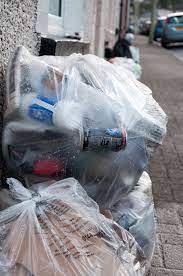
Three-week black bag collections but where do your recycled material end up?

Black bag/Bin collections over the Festive period

Residents Frustrated with removal Wheelie Bins and a Black Bag System Imposed by Rhondda Cynon Taf Councillers
