Two new reports set out fresh evidence on key aspects of the River Wye’s ecology, highlighting both ongoing pressures and clear opportunities to improve the condition of the river.
The reports highlight that despite the pressures that the river faces, improvement is achievable. Many of the features examined in the reports are already close to meeting their targets and incremental changes across the catchment could lead to wider gains.
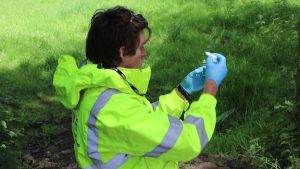
Natural Resources Wales (NRW) published the reports to strengthen understanding of the health of the main river and main tributaries. One focuses on biological indicators such as microscopic algae and aquatic invertebrates, which reflect water quality in the river. The second presents detailed site-based surveys of habitat and plant communities. Taken together, the reports add depth to the evidence base and help identify where pressures are acting.
The findings show that many of the stretches assessed are not meeting the high ecological quality expected of a Special Area of Conservation (SAC) river. However, they also show that a number of areas do meet these standards, and many others are close, typically achieving “good” rather than the required “high” status.
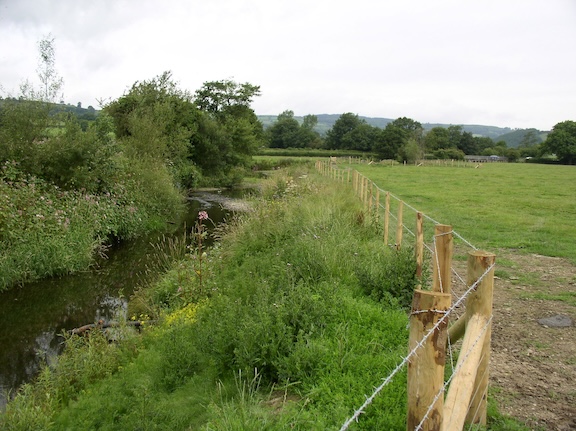
The biological evidence points to nutrient pressures across the catchment, but generally at levels where ecological communities remain intact. The habitat surveys identify a range of factors influencing river condition, including historic channel modification, sediment entering the system, loss of natural riverside vegetation and the spread of invasive species. Both reports also show a clear pattern along the river, with upper catchment areas often in better condition than parts of the middle and lower reaches.
Across both studies, the picture that emerges is of pressures that are widespread across the catchment rather than arising from isolated sources. The reports also underline the link between water quality and physical habitat, suggesting that progress depends on addressing both together.
The measures needed are well understood; the challenge is delivering them consistently, and at the scale required, across the whole catchment.
The reports set out practical actions, including reducing nutrient inputs from all sources, restoring riverbanks and buffer strips, improving habitat structure and tackling sediment and invasive species. Work to address these issues is already underway through NRW’s Upper Wye Catchment Restoration Project.
Francesca Sanchez, NRW Specialist Advisor for Freshwater Habitat and Species, said:
“These reports show that the Wye faces significant pressures, but they also show that improvement is possible. Most of the sites surveyed either already meet or are close to achieving the Special Area of Conservation standards.
“That gives us a clear indication that the right actions, delivered consistently and at scale, can make a real difference.”
These reports form constituent parts of a wider programme of evidence that will contribute to a full assessment of the River Wye’s condition, alongside other strands of work to build a complete picture and guide future action to restore and protect the river.
- Diatom and macroinvertebrate surveys of the River Wye SAC (Wales) in 2022-23
- River Habitat Surveys (RHS) and Plant Community Surveys of the River Wye SAC (Wales) in 2024 and 2025
Related Posts

River Wye pollution concerns: no answer to request for temporary moratorium
New evidence shows some anti-depressants can raise dementia risk

New evidence report supports efforts to improve river water quality?