
Public frustration with the Labour Party government continues to grow following Cabinet resignations, rising welfare costs, pressure on public services, and increasing support for Reform UK in national polls.
For many working people, the feeling is simple: they pay more in taxes while receiving less in return. Concerns over NHS waiting times, illegal immigration, housing pressures, and economic stagnation are no longer isolated complaints — they have become part of a wider crisis of confidence in politics itself.
In communities across South Wales, voters are also questioning whether local Labour authorities still listen to ordinary residents. Critics point to years of declining public services, stalled regeneration projects, and a growing disconnect between councillors and the communities they represent.
While Labour still dominates many traditional Welsh strongholds, the political landscape is changing rapidly. Polling suggests voters are increasingly willing to look beyond the two main parties in search of alternatives.
Whether that frustration results in real political change remains to be seen. But one thing is becoming clear: many voters who once backed Labour automatically no longer do so without question.
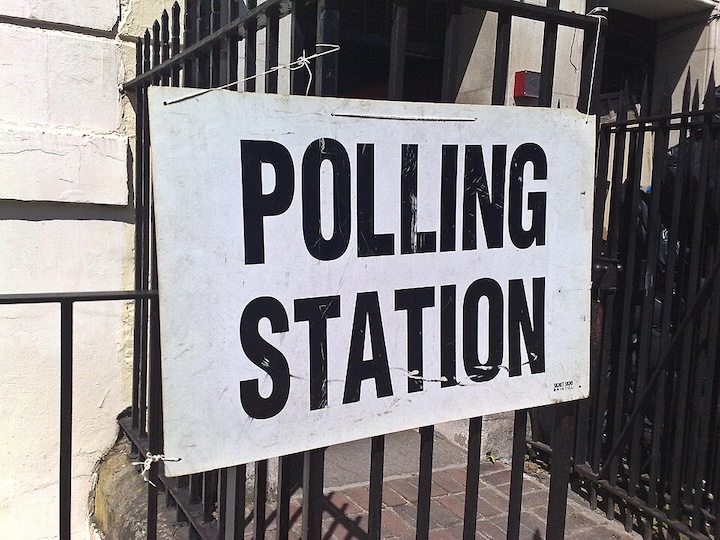
With the next scheduled local council elections approaching, and official guidance already published for any by-elections held before 6 May 2027, political parties across Wales are expected to face increasing scrutiny from voters frustrated with the state of public services and local accountability.
For many residents, the next round of elections may become less about party loyalty and more about whether councillors are seen to be listening to the communities they represent.
Related Posts

Welsh employment rate remains the lowest in Britain

Concerns Raised Over Lack of Political Balance in Rhondda Cynon Taf Scrutiny Committee School Transport
Are Labour run Rhondda Cynon Taf Council Taxpayers subsidising Britain’s biggest house builders?